-
-
-
Edmonton, Alberta, Canada
Mon – Sat: 8:00 AM – 7:00 PM
Please tap the button to book your appliance repair on WhatsApp.
Booking Enquiry on WhatsApp
FixNow Appliances provides fast, professional appliance repair across Edmonton, Sherwood Park, Beaumont, St. Albert, Stony Plain and nearby areas. Our licensed technicians repair fridges, washers, dryers, dishwashers, ovens, stoves and more using OEM parts and manufacturer-approved methods.
02
Nov
An oven that refuses to heat can quickly disrupt your daily routine. Whether you're preparing dinner, baking for the family or cooking for guests, an appliance that stays cold or takes too long to reach the required temperature is more than an inconvenience.
If your oven is not heating in Calgary, the problem could be related to a damaged heating element, faulty igniter, temperature sensor, electrical connection or control system. Some issues can be identified through simple, safe checks, while others require professional diagnosis.
Understanding the possible causes can help you make a better decision about what to do next. This guide explains why ovens stop heating, what homeowners can safely check and when to contact an experienced appliance repair technician.
An oven relies on several components working together to produce and regulate heat. When one component fails, the oven may not heat at all, heat unevenly or struggle to maintain the selected temperature.
The likely cause depends partly on whether you have an electric or gas oven.
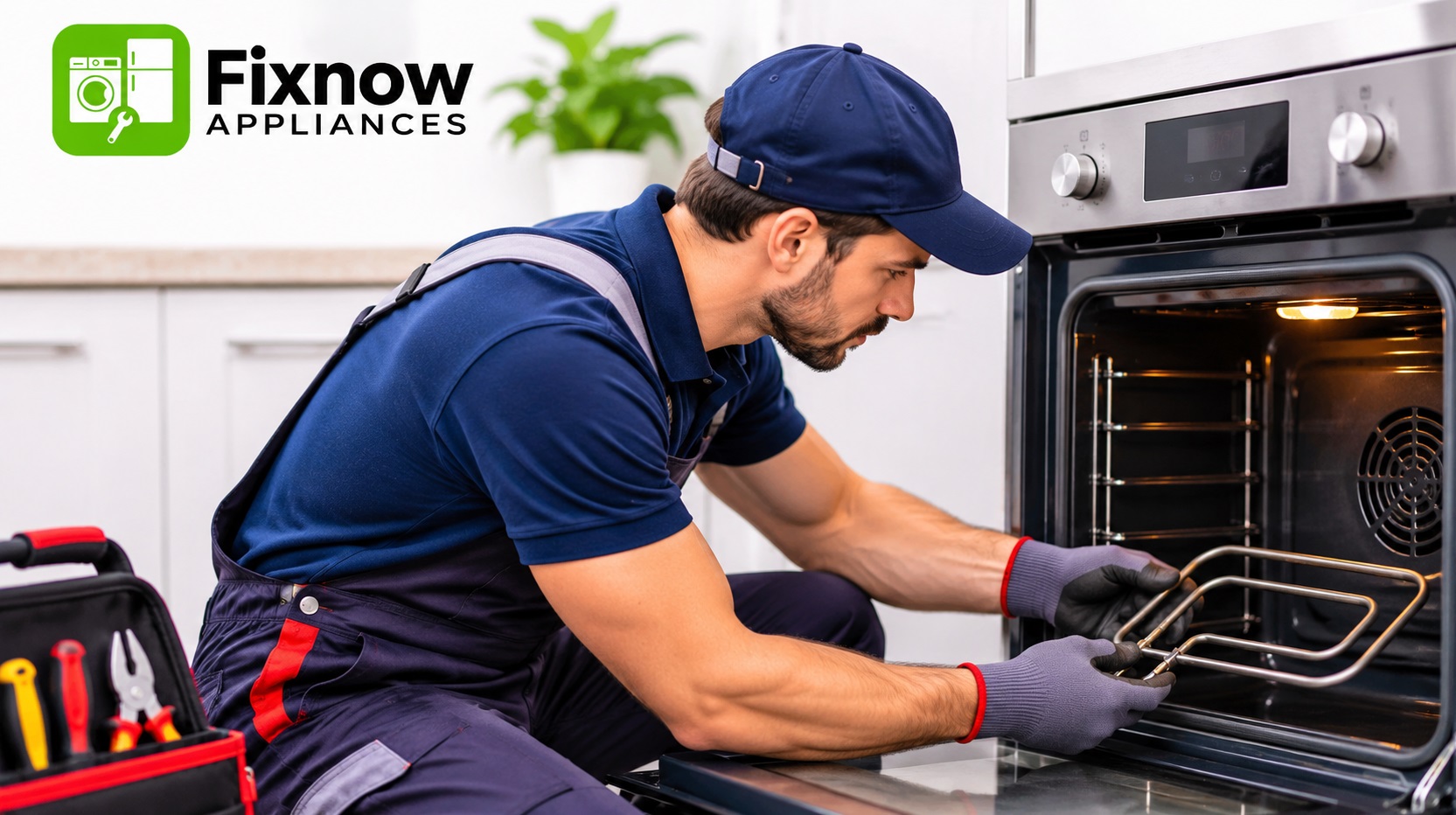
A faulty heating element is one of the common reasons an electric oven stops heating properly.
Most electric ovens use separate elements for baking and broiling. If the bake element becomes damaged, the oven may turn on but fail to reach the desired temperature.
Common warning signs include:
The oven remains cold after being switched on.
Food takes much longer than usual to cook.
The heating element has visible cracks, blisters or damaged areas.
The oven heats only when using a different cooking mode.
A damaged element generally needs to be inspected and replaced by a qualified technician. Avoid touching or attempting to remove the element yourself.
Gas ovens use an igniter to help light the burner. If the igniter becomes weak or stops working, the burner may not ignite correctly.
In some cases, the oven may appear to be operating normally because the display and interior light still work, even though the burner is not producing heat.
Possible symptoms include:
The oven does not heat despite being switched on.
Preheating takes unusually long.
The burner fails to ignite.
The oven temperature remains below the selected setting.
A faulty igniter or related gas-control component requires professional diagnosis. Do not attempt to adjust gas valves or repair ignition components yourself.
The temperature sensor monitors the oven's internal temperature and communicates with the control system.
If the sensor provides inaccurate readings, the oven may heat incorrectly or fail to maintain a consistent temperature.
You may notice:
Food remaining undercooked.
Baking results becoming inconsistent.
The oven overheating or shutting off unexpectedly.
Temperature readings that do not match actual cooking performance.
A technician can test the sensor and determine whether it needs replacement or whether another control-system issue is responsible.
The thermostat or electronic temperature-control system helps regulate how much heat the oven produces.
When this system malfunctions, the oven may struggle to reach the selected temperature or cycle between heating and cooling incorrectly.
For example, you might set the oven to 180°C, but the appliance never reaches the required temperature. In other situations, the oven may become excessively hot.
Accurate diagnosis is important because the problem may involve the thermostat, sensor, wiring or electronic control board.
Electric ovens require an appropriate electrical supply to operate correctly. A tripped breaker, damaged connection or other power-related issue may prevent the oven from heating.
Sometimes the display and lights still work even when the heating function is affected.
Check whether the appliance has power and whether a breaker has tripped. If the breaker trips repeatedly, do not keep resetting it. This may indicate an electrical fault that needs professional attention.
Never open electrical panels or inspect live wiring yourself.
Modern ovens use electronic control boards to manage temperature settings, heating cycles and other functions.
A damaged control board can interrupt communication between the oven's components. As a result, the appliance may fail to heat, display error codes or behave unpredictably.
Because several different faults can produce similar symptoms, replacing the control board without proper testing may lead to unnecessary expenses.
A professional diagnosis can help identify whether the control board is actually responsible.
An oven door that does not close correctly can allow heat to escape, affecting cooking performance.
Possible causes include:
Worn or damaged door gaskets.
Misaligned hinges.
A damaged door latch.
Obstructions preventing the door from closing fully.
Inspect the visible door seal for damage and make sure nothing is blocking the door. If the hinges, latch or seal need replacement, arrange a suitable repair.
Before arranging oven repair in Calgary, there are a few basic checks you can perform without opening the appliance or handling internal components.
Confirm that the oven is set to the correct cooking mode and temperature. Some ovens have separate bake, broil, convection and warming settings.
An incorrect setting can make it appear that the oven is not heating properly.
Make sure the door closes completely. Look for visible obstructions, food debris or damage around the gasket.
Do not force the door shut if the hinges or latch appear damaged.
If your oven displays an error code, note it down. Check the appliance manual or manufacturer's support information to understand what the code may indicate.
An error code can help a technician narrow down the problem.
If you have an electric oven, check whether its circuit breaker has tripped.
If it has tripped once, follow the manufacturer's guidance and applicable electrical safety instructions. If it trips again, leave it off and arrange professional inspection.
If the oven appears to heat but cooking results are inconsistent, compare the selected temperature with the appliance's displayed temperature, if available.
Avoid removing panels or using testing equipment inside the oven. A technician can perform accurate temperature and component checks.
Some troubleshooting attempts can create additional risks or damage the appliance.
Avoid:
Removing oven panels while the appliance is connected to power.
Touching heating elements when they may still be hot.
Attempting to repair gas lines, valves or ignition systems.
Replacing electrical components without confirming the actual fault.
Repeatedly resetting a circuit breaker that keeps tripping.
Continuing to operate an oven that produces smoke, sparks or unusual burning smells.
Important gas safety advice: If you smell gas, stop using the oven. Do not operate electrical switches, use flames or attempt to locate the leak. Leave the building and contact your gas utility or emergency services from a safe location outside.
Basic checks can help identify simple operating issues, but internal appliance faults require proper tools, experience and safety precautions.
Consider arranging professional oven repair if:
Your oven does not heat at all.
The heating element appears damaged.
A gas oven fails to ignite.
The oven takes significantly longer than usual to preheat.
Food cooks unevenly despite correct settings.
The appliance displays persistent error codes.
The circuit breaker repeatedly trips.
You notice sparks, smoke, burning smells or unusual noises.
The oven temperature changes unexpectedly.
A technician can inspect the relevant components, identify the underlying fault and explain the available repair options.
The cost of oven repair in Calgary depends on the appliance type, brand, faulty component, replacement-part availability and labour involved.
A simple repair may cost less than a repair involving an electronic control board or multiple damaged components.
Common factors affecting the final estimate include:
| Repair factor | What affects the cost |
|---|---|
| Heating element | Part type and replacement requirements |
| Gas igniter | Igniter condition and related ignition faults |
| Temperature sensor | Sensor compatibility and testing |
| Control board | Part availability and programming requirements |
| Door components | Hinge, gasket or latch replacement |
| Electrical fault | Wiring, connection and diagnostic requirements |
For an accurate estimate, the appliance should be assessed before repair work begins. Ask for a clear explanation of the diagnosis, parts and labour involved.
A non-heating oven does not automatically need replacement. In many situations, repairing a faulty component may be a practical option.
Consider these factors before making a decision:
Age of the appliance: An oven that is relatively new and otherwise in good condition may be worth repairing.
Repair cost: Compare the estimated repair cost with the price of a suitable replacement.
Availability of parts: Older or discontinued models may have limited replacement-part availability.
Overall condition: If the oven has multiple recurring problems, replacement may be more economical over time.
Energy efficiency and features: A newer appliance may offer improved energy performance and cooking features, depending on the model.
A professional assessment can help you understand whether repair or replacement makes more financial sense.
When your oven stops heating, getting a clear diagnosis is the first step towards restoring your kitchen routine.
FixNow Appliances provides appliance repair assistance for homeowners looking for practical solutions to common appliance problems.
When contacting an appliance repair company, it is useful to have the following information ready:
Oven brand and model number.
Whether the appliance is electric or gas.
The symptoms you have noticed.
Any error codes appearing on the display.
When the heating problem first started.
This information can help the service team understand the issue and discuss the next steps.
If you are in Calgary and need assistance with an oven that is not heating, contact FixNow Appliances to confirm service availability and arrange an assessment.
Call: (587) 962-2861
Website: https://fixnowappliances.ca/
Your oven may have a faulty heating element, igniter, temperature sensor, thermostat, electrical connection or control board. The exact cause depends on the appliance type and symptoms.
Yes. A damaged bake element can prevent an electric oven from producing sufficient heat during baking. The component should be inspected and replaced if necessary.
A weak igniter, burner issue, temperature sensor problem or another faulty component may cause slow preheating. A qualified technician can identify the underlying issue.
It depends on the fault. If you notice gas odour, smoke, sparks, electrical burning smells or repeated breaker trips, stop using the appliance and seek appropriate professional assistance.
Possible causes include a faulty temperature sensor, thermostat, heating element, door seal or electronic control system.
Not necessarily. The decision depends on the appliance's condition, repair cost, availability of parts and expected remaining service life. Compare the repair estimate with the cost of replacement.
You can contact FixNow Appliances at (587) 962-2861 to discuss your oven problem and confirm current service availability in your area.
An oven that fails to heat can have several underlying causes, from a damaged heating element to a faulty igniter or electronic control system. Identifying the correct problem is essential to avoiding unnecessary replacements and repeated repairs.
If your oven is not heating in Calgary, start with basic safety checks and avoid attempting internal electrical or gas repairs yourself. Contact FixNow Appliances at (587) 962-2861 to discuss the problem and explore the next steps.
Leave A Reply
Your email address will not be published. Required fields are marked *