-
-
-
Edmonton, Alberta, Canada
Mon – Sat: 8:00 AM – 7:00 PM
Please tap the button to book your appliance repair on WhatsApp.
Booking Enquiry on WhatsApp
FixNow Appliances provides fast, professional appliance repair across Edmonton, Sherwood Park, Beaumont, St. Albert, Stony Plain and nearby areas. Our licensed technicians repair fridges, washers, dryers, dishwashers, ovens, stoves and more using OEM parts and manufacturer-approved methods.
04
Nov
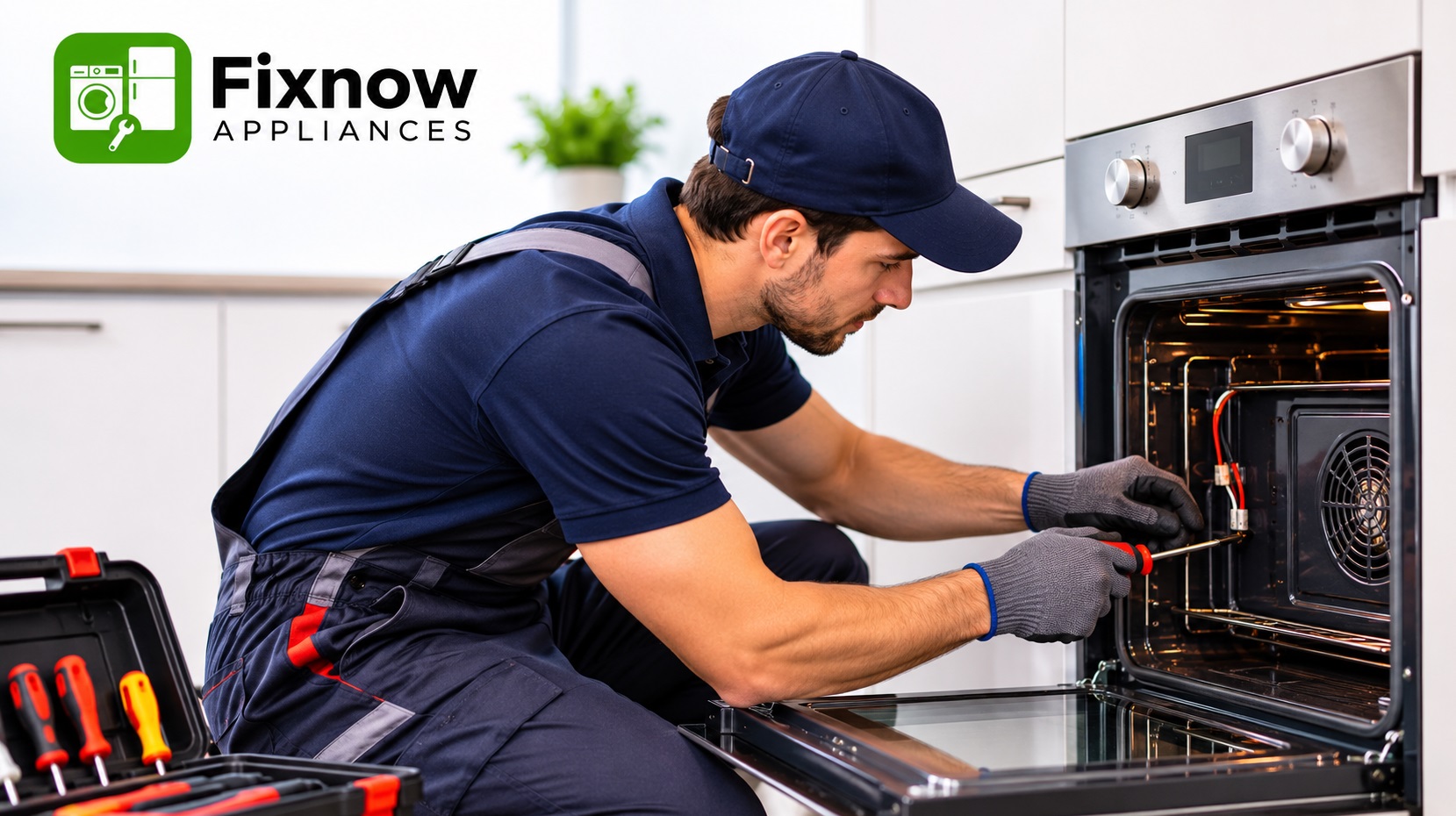
An oven is one of the most important appliances in a modern kitchen. From preparing everyday meals to baking and cooking for special occasions, homeowners depend on their ovens for consistent performance and convenience.
However, when an oven stops heating properly, even simple cooking tasks can become frustrating. Food may remain undercooked, baking times may increase, and temperature settings may no longer deliver the expected results.
For homeowners in Edmonton, an oven that refuses to heat can quickly disrupt daily routines. While some problems may involve simple operating issues, others can indicate damaged heating elements, faulty thermostats, electrical problems or malfunctioning ignition systems.
Understanding why your oven is not heating properly is the first step towards finding the right solution.
In this guide, we explore common oven heating problems, their possible causes, troubleshooting considerations and when to contact a professional for oven repair in Edmonton.
An oven relies on several components working together to maintain the correct cooking temperature. Depending on the appliance type, these components may include heating elements, thermostats, temperature sensors, ignition systems, control boards and electrical connections.
When one component develops a fault, the oven may struggle to reach or maintain the selected temperature.
Some problems develop gradually, while others cause the appliance to stop heating unexpectedly.
Recognising the symptoms can help homeowners explain the issue more accurately when arranging professional appliance repair.
A damaged heating element is one of the most common reasons an electric oven fails to heat.
Electric ovens typically use heating elements to generate the heat required for baking and cooking. Depending on the model, separate elements may provide baking and broiling functions.
When an element becomes damaged, the oven may produce insufficient heat or stop heating altogether.
Common Warning Signs:
The oven takes unusually long to preheat.
Food remains undercooked.
The oven does not reach the selected temperature.
One heating function stops working.
Visible damage or blistering appears on an element.
Possible Solution:
A professional technician can inspect the heating element, test its electrical continuity and determine whether replacement is necessary.
Replacing a faulty element with a compatible component can restore normal heating performance.
Modern ovens use temperature sensors to monitor internal heat and communicate temperature readings to the control system.
When a sensor becomes faulty, the oven may receive inaccurate temperature information.
This can affect cooking consistency and temperature regulation.
Common Symptoms:
Food cooks unevenly.
The oven overheats or underheats.
The appliance struggles to maintain the selected temperature.
Cooking times become unpredictable.
Temperature-related error codes appear.
Possible Causes:
Temperature sensor failure, damaged wiring, loose connections or electronic control issues may contribute to this problem.
Professional Solution:
A technician can test the temperature sensor and inspect its electrical connections. If the sensor is defective, replacing it may restore accurate temperature readings.
The thermostat helps regulate oven temperature by controlling the heating system.
If it stops functioning correctly, the oven may fail to maintain the desired cooking temperature.
Common Warning Signs:
The oven becomes excessively hot.
Food burns despite using normal settings.
The appliance does not heat sufficiently.
Temperature fluctuates during cooking.
The oven switches heating functions unexpectedly.
Professional Solution:
A qualified technician can inspect the thermostat and related temperature-control components to identify the problem.
Depending on the appliance design, repair may involve thermostat replacement or addressing a related electrical fault.
Gas ovens use an ignition system to ignite the gas and produce the heat required for cooking.
When the igniter becomes weak or defective, the oven may struggle to ignite or fail to heat.
Common Symptoms:
The oven takes too long to heat.
The burner does not ignite.
The oven produces inconsistent heat.
The appliance repeatedly attempts ignition.
Cooking temperatures remain below the selected setting.
Possible Causes:
Common causes include a worn igniter, electrical connection problems or faults within the ignition system.
Professional Solution:
A qualified gas appliance technician can inspect the ignition system, test relevant components and determine the appropriate repair.
Gas-related repairs should never be attempted without the required qualifications.
If you smell gas, stop using the appliance, avoid flames and electrical switches, leave the area and contact the appropriate emergency gas service.
An oven door plays an important role in maintaining internal temperature.
When the door does not close correctly, heat can escape during cooking. This may cause longer cooking times and inconsistent results.
Common Warning Signs:
Heat escapes around the oven door.
Food takes longer to cook.
The oven struggles to maintain temperature.
The door feels loose.
The door seal appears cracked or damaged.
Possible Causes:
Worn door gaskets.
Damaged door hinges.
Misaligned door components.
Broken door latches.
Loose mounting hardware.
Professional Solution:
A technician can inspect the door assembly, hinges and sealing components. Replacing damaged parts may improve heat retention and cooking performance.
Modern ovens use electronic control boards to manage heating functions, temperature settings, timers and other operating features.
When the control board develops a fault, it may interfere with the oven's ability to heat correctly.
Common Symptoms:
The oven does not respond to temperature settings.
Heating functions stop unexpectedly.
The display shows unusual error codes.
Buttons become unresponsive.
The oven switches off during operation.
Professional Solution:
A technician can inspect the control board, wiring and connected components to identify the source of the malfunction.
Depending on the diagnosis, the repair may involve correcting a connection issue or replacing the defective control board.
Electric ovens require an appropriate electrical supply to operate safely and efficiently.
Damaged wiring, loose connections, faulty terminals or electrical supply issues may prevent the appliance from heating properly.
Common Warning Signs:
The oven does not power on.
Heating functions stop unexpectedly.
The circuit breaker trips repeatedly.
The display switches off.
The appliance heats intermittently.
Professional Solution:
Electrical faults require professional inspection. A qualified technician can examine the relevant connections and components to identify the cause.
Do not open electrical panels or attempt internal wiring repairs yourself.
If the circuit breaker repeatedly trips, stop using the appliance until it has been inspected.
Sometimes an oven operates but takes significantly longer than usual to reach the selected temperature.
This can be caused by several underlying issues.
Possible Causes:
Weak or damaged heating elements.
Defective temperature sensors.
Door seal problems.
Faulty thermostats.
Control board malfunctions.
Electrical supply issues.
Professional Solution:
A technician can test the heating system and temperature regulation components to determine why the appliance is taking longer to preheat.
Correctly identifying the cause helps prevent unnecessary replacement of otherwise functional components.
Electric and gas ovens operate differently, so their repair requirements can also vary.
Understanding the appliance type helps homeowners identify possible problems.
Electric ovens rely on heating elements and electrical control systems.
Common problems include:
Damaged baking elements.
Faulty broil elements.
Temperature sensor failures.
Thermostat malfunctions.
Electrical connection issues.
Defective electronic control boards.
Gas ovens rely on fuel supply and ignition systems to generate heat.
Common problems include:
Weak or defective igniters.
Burner ignition failures.
Gas supply issues.
Faulty temperature controls.
Damaged ignition components.
Uneven burner operation.
Gas appliances require specialised handling. Always use an appropriately qualified professional for gas-related inspections and repairs.
Not every oven heating problem requires immediate component replacement. Some basic checks may help identify simple operating issues.
Before booking a repair appointment, consider the following:
1. Check the Temperature Setting
Confirm that the oven is set to the correct temperature and cooking mode.
2. Verify the Cooking Mode
Make sure the appliance is not accidentally set to a timer, warming or another function that does not operate the heating system as expected.
3. Inspect the Oven Door
Check whether the door closes properly and whether the visible gasket appears damaged.
4. Look for Error Codes
If the oven displays an error code, note it before contacting the technician. It may help identify the affected system.
5. Check the Circuit Breaker
If the oven has lost power, check whether the relevant breaker has tripped. Do not repeatedly reset a breaker that continues to trip.
6. Consult the Manufacturer's Manual
Follow the manufacturer's instructions for basic operation and safe troubleshooting.
If these checks do not resolve the issue, professional diagnosis is recommended.
Never attempt to remove internal panels, test live electrical components or repair gas connections without the required qualifications.
Some oven problems can become more serious when ignored.
Contact a professional technician when:
The oven does not heat at all.
Heating elements stop working.
The appliance cannot maintain the selected temperature.
The oven repeatedly displays error codes.
Food consistently cooks unevenly.
The door does not seal properly.
Electrical components produce unusual smells or sounds.
The circuit breaker repeatedly trips.
The gas ignition system fails.
If you notice smoke, sparks, persistent burning smells or a gas odour, stop using the appliance and follow the appropriate safety procedures.
Timely professional oven repair can help prevent additional damage and restore dependable cooking performance.
Oven repair costs depend on the appliance model, the nature of the fault, replacement components and labour requirements.
A minor component replacement may cost considerably less than repairing a major electronic control system or replacing multiple damaged components.
Several factors influence the final repair estimate.
Type of Oven: Electric and gas ovens have different heating systems and repair requirements.
Nature of the Problem: A faulty sensor generally involves different repair work from a damaged control board or heating system.
Replacement Parts: OEM components and model-specific parts may influence the overall cost.
Labour Requirements: Complex repairs may require additional diagnostic time and specialised tools.
Appliance Age: Older appliances may have limited replacement part availability.
Before approving a repair, request an estimate that explains the diagnostic fee, labour and replacement component costs.
FixNow Appliances lists an $89 diagnostic service-call fee, which is waived when customers proceed with the repair, subject to applicable service terms. Confirm the current fee and eligibility when booking.
When an oven stops heating properly, homeowners often face an important decision: repair the existing appliance or purchase a replacement.
The right choice depends on the appliance's age, condition and repair requirements.
The oven is relatively new.
The problem involves a replaceable component.
The appliance is otherwise in good condition.
Suitable replacement parts are available.
The estimated repair cost is reasonable.
The oven experiences repeated breakdowns.
Major components have failed.
Replacement parts are difficult to obtain.
Repair expenses approach the cost of a new appliance.
The appliance has reached the end of its useful life.
A professional technician can inspect the appliance and explain whether repair or replacement offers better value.
When an oven stops heating, homeowners need a repair company that understands the importance of accurate diagnosis, reliable workmanship and convenient service.
FixNow Appliances provides professional oven and appliance repair services across Edmonton and surrounding Alberta communities.
The company focuses on identifying appliance problems, recommending practical repair solutions and helping homeowners restore their kitchen appliances.
Experienced Technicians: FixNow Appliances highlights certified and insured technicians with more than 10 years of hands-on appliance repair experience.
Same-Day Service Options: The company offers same-day and emergency repair options, depending on technician availability.
OEM Replacement Parts: Genuine OEM parts are used whenever possible, with manufacturer-approved repair methods.
Transparent Estimates: Customers receive upfront estimates and itemised pricing before repair work begins.
Limited Repair Warranty: FixNow Appliances advertises a one-month limited warranty on completed repairs, subject to applicable terms and conditions.
Multiple Appliance Services: In addition to oven repair, the company provides services for refrigerators, freezers, washing machines, dryers, dishwashers, stoves and cooktops.
Whether your oven is not heating, takes too long to preheat or struggles to maintain the correct temperature, FixNow Appliances offers professional assistance for your repair requirements.
FixNow Appliances serves Edmonton and surrounding communities in Alberta.
Its listed service areas include:
Edmonton
Sherwood Park
St. Albert
Beaumont
Leduc
Fort Saskatchewan
Spruce Grove
Stony Plain
Nisku
Acheson
Ardrossan
Bruderheim
Calmar
Devon
Gibbons
Legal
Morinville
Redwater
Thorsby
Tofield
Service availability and travel charges may vary depending on your location.
Contact FixNow Appliances to confirm coverage and appointment availability.
Regular maintenance can help reduce unnecessary wear and support consistent oven performance.
Here are some useful habits for homeowners:
Clean the Oven Regularly: Remove grease and food residue using cleaning methods recommended by the manufacturer.
Avoid Excessive Spills: Food spills can accumulate around heating components and affect performance.
Inspect the Door Seal: Check for visible cracks, looseness or other damage.
Use Correct Cookware: Follow the manufacturer's recommendations for oven-safe cookware.
Avoid Overloading: Maintain sufficient space for proper heat circulation.
Monitor Heating Performance: Pay attention to unusual preheating times and inconsistent cooking results.
Follow Manufacturer Instructions: Use recommended temperature settings and cleaning procedures.
Arrange Professional Repairs: Address recurring heating issues instead of allowing them to worsen.
Consistent maintenance cannot prevent every breakdown, but it can help identify developing problems earlier.
An oven may fail to heat properly because of a damaged heating element, faulty thermostat, defective temperature sensor, ignition problem or electrical fault. Professional diagnosis can identify the actual cause.
Slow preheating may result from a weak heating element, temperature sensor malfunction, damaged door seal or electrical issue. A technician can inspect the heating system and identify the problem.
Yes. In many electric ovens, damaged heating elements can be replaced with compatible components. A technician should confirm the correct part for the appliance model.
Possible causes include a defective igniter, electrical connection issue or burner-related fault. Gas oven ignition problems should be inspected by an appropriately qualified technician.
Uneven cooking can result from faulty heating elements, inaccurate temperature sensors, poor heat circulation or damaged door seals.
Yes. FixNow Appliances provides oven repair services in Edmonton and surrounding communities, subject to service availability.
The company provides oven and range repair services. Confirm your specific appliance type and model when booking to ensure the required repair is supported.
The cost depends on the fault, appliance model, replacement components and labour. Contact a repair provider for a diagnosis and itemised estimate.
FixNow Appliances advertises a one-month limited warranty on completed repairs, subject to applicable terms and conditions.
You can contact FixNow Appliances directly by phone or visit its website to discuss your oven problem, confirm availability and arrange a repair appointment.
An oven that does not heat properly can affect cooking performance, increase preparation time and disrupt everyday household routines.
From damaged heating elements and faulty temperature sensors to ignition failures and electrical problems, identifying the underlying cause is essential for choosing the right repair solution.
FixNow Appliances provides professional appliance repair services across Edmonton and nearby communities, helping homeowners address oven heating problems with experienced technicians and convenient service options.
If your oven is taking too long to preheat, producing inconsistent temperatures or refusing to heat altogether, arrange a professional inspection.
Phone: (780) 229-9274
Website: https://fixnowappliances.ca/
Service Area: Edmonton, Alberta, Canada and surrounding communities.
Leave A Reply
Your email address will not be published. Required fields are marked *