-
-
-
Edmonton, Alberta, Canada
Mon – Sat: 8:00 AM – 7:00 PM
Please tap the button to book your appliance repair on WhatsApp.
Booking Enquiry on WhatsApp
FixNow Appliances provides fast, professional appliance repair across Edmonton, Sherwood Park, Beaumont, St. Albert, Stony Plain and nearby areas. Our licensed technicians repair fridges, washers, dryers, dishwashers, ovens, stoves and more using OEM parts and manufacturer-approved methods.
24
Nov
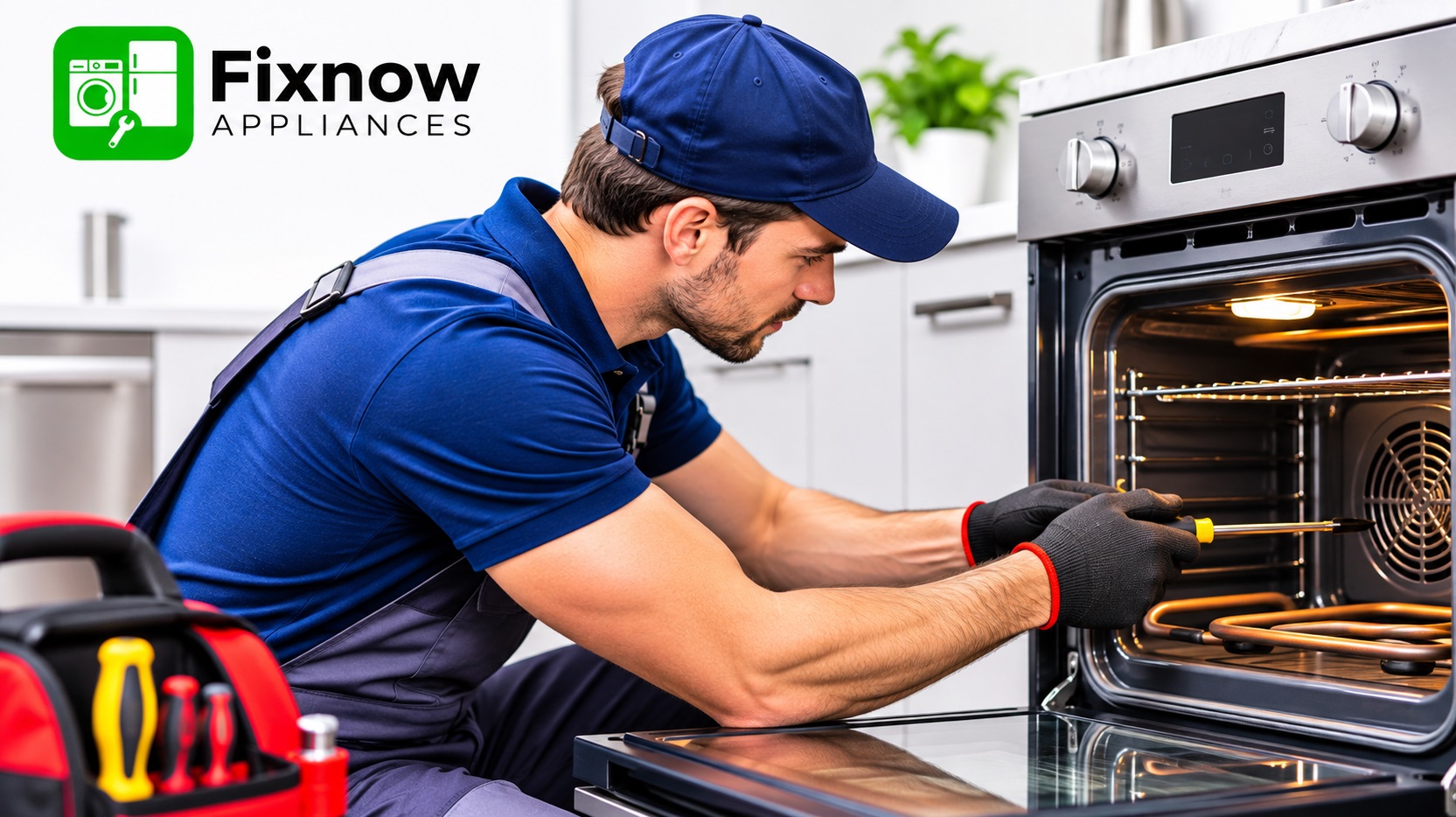
An oven that heats inconsistently can turn a simple meal into a frustrating experience. Food may remain undercooked, bake unevenly or burn before the cooking time is complete. Sometimes, the oven takes much longer than usual to preheat. In other cases, it stops heating altogether.
For homeowners in Calgary, Alberta, these problems can disrupt everyday cooking and may indicate an issue with the oven's heating components, temperature sensor, control system or electrical supply.
Understanding the symptoms is the first step towards finding the right repair solution. Some temperature variations are normal during operation, but persistent or significant changes deserve attention.
This guide explains common oven heating and temperature problems, possible causes, safe checks and when to contact a professional oven repair technician in Calgary.
An oven that turns on but does not produce heat is one of the most common reasons homeowners seek professional oven repair.
You may notice that the display works, the timer operates and the interior light turns on, but the oven remains cold.
Faulty bake element: Electric ovens use heating elements to generate the heat required for baking. A damaged element may prevent the oven from reaching the selected temperature.
Broil element failure: Depending on the oven design and cooking mode, a faulty broil element may affect heating performance.
Defective temperature sensor: The sensor monitors oven temperature and communicates with the control system. Incorrect readings can interfere with heating.
Control board malfunction: An electronic control board manages heating functions. A faulty relay or circuit may prevent power from reaching the heating components.
Electrical supply problems: Some electric ovens require a suitable 240-volt supply. An electrical fault or tripped circuit breaker can affect operation.
Before booking oven repair:
Confirm that the oven has power.
Check that the correct cooking mode is selected.
Verify the temperature setting.
Check the electrical panel for a visibly tripped breaker, if safe to access.
Consult the appliance manual for any displayed error code.
If the breaker trips repeatedly, do not keep resetting it. Stop using the oven and arrange professional inspection.
An oven that previously heated quickly but now takes significantly longer to reach the selected temperature may have a developing fault.
Slow preheating can affect cooking schedules and may result in inconsistent food preparation.
Weak or damaged heating element.
Faulty temperature sensor.
Electrical supply problems.
Heat escaping through a damaged door gasket.
Control-board malfunction.
Convection fan problems in applicable models.
A partially damaged heating element may still produce some heat, making the problem less obvious.
Make sure the oven door closes properly.
Inspect the visible door gasket for damage.
Avoid opening the door repeatedly during preheating.
Confirm that the correct cooking mode is selected.
Check whether the problem occurs across different cooking settings.
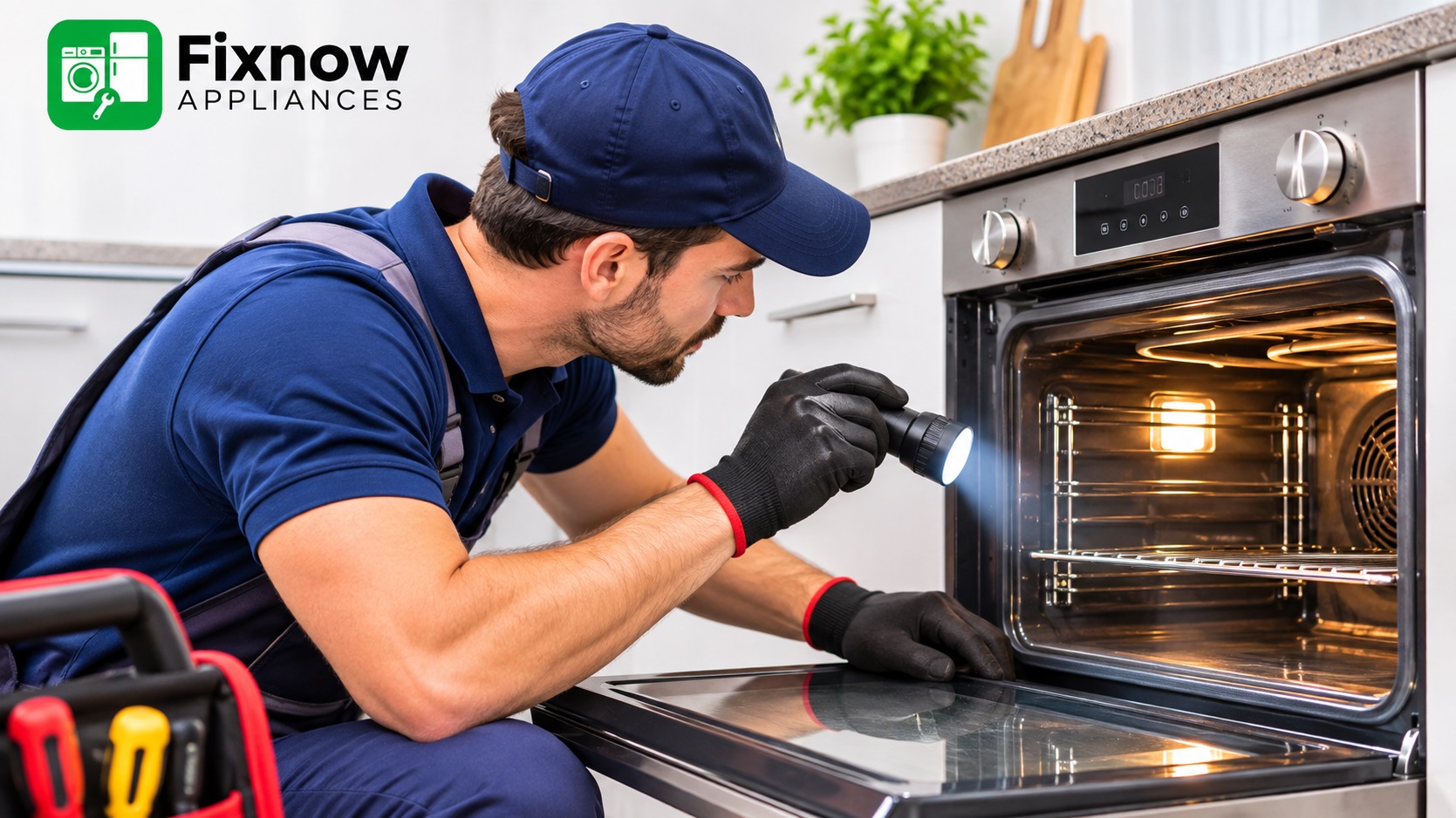
If preheating remains unusually slow, a technician can inspect the heating elements, sensors and electrical controls.
An oven that does not maintain the expected temperature can affect cooking results.
For example, food may burn at a setting that previously worked well, or recipes may take considerably longer than expected.
Temperature sensor malfunction: A sensor that provides inaccurate readings may cause the oven to regulate heat incorrectly.
Thermostat problems: Some oven models use thermostat-based temperature controls that can develop faults over time.
Control board issues: Electronic control problems can interfere with temperature regulation.
Door seal damage: Heat escaping through a worn gasket may affect temperature consistency.
Calibration settings: Certain ovens allow users to adjust temperature calibration through the control panel.
Ovens do not maintain one perfectly constant temperature throughout a cooking cycle. Heating elements switch on and off to keep the average temperature near the selected setting.
Some temperature fluctuation is therefore normal.
However, if food consistently burns, remains undercooked or takes much longer than expected, the oven may need inspection or calibration.
Review the manufacturer's temperature calibration instructions.
Confirm that the correct temperature unit is selected.
Inspect the visible door seal.
Use an oven thermometer to compare the displayed setting with the actual cavity temperature over a suitable cooking cycle.
Do not attempt to adjust internal electrical components or replace the temperature sensor yourself.
Uneven baking can be particularly frustrating because the oven may appear to work normally while producing inconsistent results.
You might notice that one side of a cake browns faster, cookies bake unevenly or food remains undercooked in certain areas.
Faulty convection fan.
Damaged bake element.
Temperature sensor malfunction.
Heat escaping through the door seal.
Blocked internal airflow.
Incorrect rack positioning.
Overcrowded oven cavity.
Try these basic checks:
Avoid overcrowding the oven.
Use the recommended rack position.
Keep cookware from blocking airflow.
Confirm that the selected cooking mode is appropriate.
Inspect the visible door gasket.
If uneven baking continues, the heating element, fan system or temperature controls may require professional diagnosis.
Heating elements are essential components of electric ovens.
Most electric ovens use separate bake and broil elements, although designs vary between manufacturers and models.
When an element becomes damaged, the oven may heat slowly, fail to reach temperature or stop heating in a particular cooking mode.
Visible blistering or damage.
Uneven heating.
Oven not reaching the selected temperature.
No heat in bake or broil mode.
Unusual sparking or burning smells.
If you notice visible damage, sparks or an electrical burning smell, stop using the oven.
Do not touch the heating element or attempt to test its electrical connections while the appliance is powered.
A qualified technician can check the element and associated electrical components to determine whether replacement is necessary.
Gas ovens use a different heating system from electric ovens. Their operation involves gas supply, ignition components, safety systems and temperature controls.
When one of these components fails, the oven may struggle to heat or may not ignite at all.
Oven not igniting.
Oven taking too long to heat.
Temperature fluctuating.
Gas burner failing to light.
Repeated ignition attempts.
Oven shutting down unexpectedly.
Weak or faulty igniter.
Ignition-system malfunction.
Temperature sensor problem.
Gas supply issue.
Faulty safety valve.
Electronic control fault.
Never attempt to dismantle the ignition system, adjust gas valves or repair gas connections yourself.
If you smell gas:
Do not attempt to light the oven.
Do not operate electrical switches.
Do not create flames or sparks.
Leave the building.
Contact your gas utility or emergency services from a safe location.
Gas-related problems should be assessed by an appropriately qualified professional.
Convection ovens use a fan to circulate heated air inside the cooking cavity.
This circulation helps distribute heat more evenly and can improve cooking consistency.
If the fan stops working, food may cook unevenly or take longer than expected.
Uneven baking.
Unusual humming or grinding sounds.
Fan not spinning in convection mode.
Cooking results changing unexpectedly.
Error codes appearing.
Faulty convection fan motor.
Damaged fan blade.
Electrical connection problems.
Control-board malfunction.
Obstruction affecting fan movement.
Some ovens do not run the convection fan in every cooking mode. Check the manufacturer's instructions before assuming that a stationary fan indicates a fault.
If the fan does not operate in a mode that requires it, professional inspection may be necessary.
An oven door that does not close completely can allow heat to escape, affecting cooking performance and temperature consistency.
It can also increase the time required to prepare food.
Damaged door gasket.
Worn door hinges.
Misaligned door.
Faulty locking mechanism.
Physical damage around the door frame.
Inspect the visible gasket for tears or gaps.
Check whether the door appears misaligned.
Look for visible obstructions around the frame.
Follow manufacturer instructions for cleaning the door area.
If the door remains loose or does not close properly, arrange professional repair.
Modern ovens use electronic diagnostic systems to identify certain faults.
An error code may indicate a problem with the temperature sensor, control panel, wiring, door lock or another component.
Depending on the manufacturer and model, error codes may relate to:
Temperature sensor circuits.
Control-board communication.
Stuck keypad buttons.
Door-lock mechanism.
Overheating protection.
Electrical faults.
The meaning of an error code varies by brand and model. The same code should not be assumed to have the same meaning across different manufacturers.
Record the displayed error code.
Note when it appears.
Check the appliance manual.
Avoid repeatedly resetting the oven if the error returns.
Share the model number and error code when booking service.
A technician can use the model-specific diagnostic information to identify the underlying issue.
Some minor operating issues can be checked safely at home. However, internal heating and electrical faults should not be handled without appropriate training.
Consider arranging professional oven repair if:
The oven does not heat.
Preheating takes unusually long.
Temperature readings are consistently inaccurate.
Food repeatedly cooks unevenly.
Heating elements show visible damage.
The convection fan does not work in the required mode.
Error codes keep returning.
The oven shuts down unexpectedly.
The electrical breaker repeatedly trips.
Stop using the appliance immediately if you notice smoke, sparks, burning electrical smells, exposed wiring or a gas odour. Follow the appropriate safety precautions and seek qualified assistance.
Preparing a few details before contacting a repair company can make the booking process more efficient.
Determine whether your appliance is:
Electric oven.
Gas oven.
Convection oven.
Built-in wall oven.
Double wall oven.
Freestanding range oven.
The model number helps identify the appliance's specifications and compatible replacement components.
It may be located around the door frame, inside the storage drawer area or on a manufacturer label.
Explain what happens when you operate the oven.
For example:
Oven turns on but does not heat.
Oven takes too long to reach temperature.
Food burns on one side.
Temperature changes unexpectedly.
Convection fan makes unusual noises.
Error code appears during operation.
Before confirming an appointment, ask:
Is my oven brand and model supported?
Is a diagnostic or service-call fee applicable?
Will I receive an estimate before repairs begin?
Are compatible OEM replacement parts available?
What warranty applies to completed repairs?
Is same-day service available for my Calgary address?
These questions help establish expectations before the technician visits.
The final cost of oven repair depends on the appliance and the fault.
A damaged heating element may require a different repair approach from a temperature sensor, ignition component or electronic control board.
Factors that may influence the estimate include:
Oven brand and model.
Type of heating system.
Nature of the fault.
Diagnostic requirements.
Replacement-part availability.
Labour involved.
Whether additional components are damaged.
Before approving any repair, request an itemised estimate that explains the diagnostic charge, parts and labour.
FixNow Appliances lists a diagnostic fee and upfront repair estimates on its Calgary oven service page. Confirm the current applicable charge and repair terms when booking.
An oven that stops heating does not automatically need replacement.
In many situations, repairing a faulty component can restore normal operation. However, the best decision depends on the appliance's age, condition and repair requirements.
Consider:
Age of the oven.
Frequency of previous breakdowns.
Cost and availability of replacement parts.
Extent of the damage.
Expected reliability after repair.
Energy efficiency.
Replacement cost compared with the repair estimate.
A relatively new oven with an isolated heating-element problem may be a suitable repair candidate.
An older appliance with recurring control-system failures or extensive damage may require a replacement assessment.
A professional diagnosis helps you compare the options before making a decision.
Regular maintenance can help keep an oven operating properly and make certain developing issues easier to identify.
Remove food spills and grease according to manufacturer instructions. Avoid harsh cleaning methods that could damage internal surfaces or components.
A damaged seal can allow heat to escape. Check the visible gasket periodically and arrange replacement if it is worn or damaged.
Do not overcrowd the oven or cover ventilation openings. Proper airflow is important for consistent cooking.
Choose cookware that is appropriate for the oven and follow recommended rack positions.
Opening the door repeatedly during cooking allows heat to escape and can affect cooking results.
Use recommended cleaning procedures, cooking modes and maintenance guidelines for your specific model.
Good maintenance supports performance, although it cannot prevent every mechanical or electrical failure.
When an oven stops heating or struggles to maintain the correct temperature, accurate diagnosis matters.
Replacing components without identifying the underlying problem can lead to unnecessary expense and recurring faults.
FixNow Appliances provides oven and range repair services in Calgary, addressing common problems such as heating failures, temperature fluctuations, damaged bake elements, convection fan issues, sensor faults and electronic control problems.
The company lists certified and insured technicians, same-day and emergency service options, OEM replacement parts where applicable, upfront estimates and a limited repair warranty on completed jobs. Appointment availability, parts and warranty conditions should be confirmed when booking.
FixNow Appliances lists service coverage across Calgary, including:
Northwest Calgary
Northeast Calgary
Southwest Calgary
Southeast Calgary
Downtown Calgary
Tuscany
Auburn Bay
Cranston
Mahogany
McKenzie Towne
Nolan Hill
Whether your oven is not heating, takes too long to preheat or produces inconsistent cooking results, sharing the symptoms and model number can help the team understand your service requirements.
Phone: (587) 962-2861
Website: https://fixnowappliances.ca/
Contact FixNow Appliances to discuss your oven problem and confirm an available repair appointment for your Calgary address.
An oven may stop heating because of a faulty bake element, temperature sensor, ignition component, electrical supply or control board. The exact cause depends on the oven type and model.
Slow preheating may be associated with a weak heating element, sensor problem, damaged door gasket or electrical fault. A professional inspection can help identify the cause.
Possible causes include sensor malfunction, control-board problems, door-seal damage or calibration settings. Some temperature fluctuation during normal operation is expected, but persistent inaccurate cooking results should be investigated.
Uneven cooking may result from blocked airflow, incorrect rack positioning, a faulty convection fan, damaged heating elements or temperature-control problems.
Homeowners can perform basic visual checks after the oven has cooled and the appliance is safely isolated from power. Internal electrical testing and component replacement should be handled by an appropriately qualified technician.
Stop using the oven if you notice a burning electrical smell, smoke or sparks. Do not continue operating it until the source has been assessed. If you smell gas, leave the building and contact the gas utility or emergency services from a safe location.
FixNow Appliances advertises same-day and emergency oven repair options in Calgary. Actual availability depends on technician schedules, location and parts requirements. Confirm the earliest available appointment when contacting the company.
The repair estimate depends on the appliance, underlying fault, diagnostic requirements, replacement parts and labour. Request a clear estimate before authorising work.
Call (587) 962-2861 or visit https://fixnowappliances.ca/ to discuss your oven problem and confirm service availability in Calgary.
Share your oven brand, model number, appliance type, symptoms, error codes and Calgary service address. This information helps the repair team understand the issue before the appointment.
Leave A Reply
Your email address will not be published. Required fields are marked *