-
-
-
Edmonton, Alberta, Canada
Mon – Sat: 8:00 AM – 7:00 PM
Please tap the button to book your appliance repair on WhatsApp.
Booking Enquiry on WhatsApp
FixNow Appliances provides fast, professional appliance repair across Edmonton, Sherwood Park, Beaumont, St. Albert, Stony Plain and nearby areas. Our licensed technicians repair fridges, washers, dryers, dishwashers, ovens, stoves and more using OEM parts and manufacturer-approved methods.
26
Nov
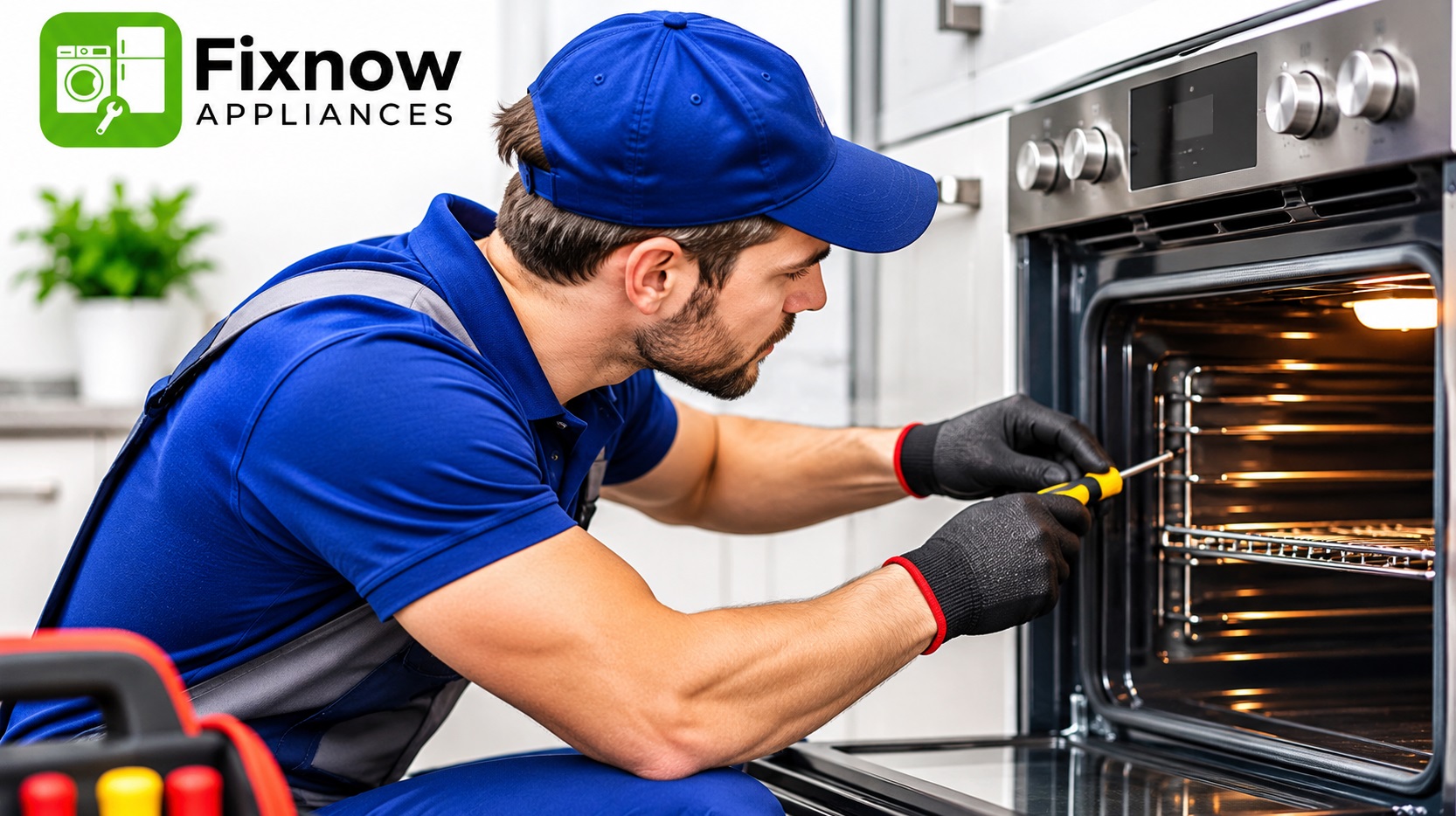
You set the oven to the right temperature, wait for it to preheat and put your food inside. But something feels off. The cake takes longer than usual, the top burns while the centre remains uncooked, or the oven simply never seems to get hot enough.
These problems are more common than many homeowners realise. An oven can appear to be working normally while struggling to maintain the temperature needed for consistent cooking.
The cause could be something relatively simple, such as an incorrect setting, or an internal fault involving the heating element, temperature sensor or control system.
For homeowners in Calgary, understanding these symptoms can make it easier to decide when basic troubleshooting is enough and when professional oven repair is needed.
One of the clearest signs of an oven temperature problem is when the appliance takes unusually long to heat or never reaches the selected temperature.
You may notice that recipes need extra cooking time or food remains undercooked even after following the recommended instructions.
Possible causes include:
Weak or damaged heating element.
Faulty temperature sensor.
Malfunctioning thermostat.
Damaged electrical connections.
Gas ignition problems.
Faulty electronic control board.
In an electric oven, the bake element plays an important role in generating heat. If it is damaged, the oven may struggle to reach the desired temperature.
Gas ovens can experience similar symptoms when the igniter or burner system is not operating correctly.
What you can check: Confirm the cooking mode and temperature settings. Also make sure the oven door closes properly. If the problem continues, a technician can test the heating system and temperature controls.
An oven that overheats can be just as frustrating as one that does not get hot enough.
Food may burn before the expected cooking time, biscuits may become too dark and meals can cook unevenly.
A few possible reasons include:
Defective temperature sensor.
Faulty thermostat.
Control board malfunction.
Incorrect temperature calibration.
Heating system that does not regulate heat properly.
A faulty sensor may send incorrect temperature information to the control system. As a result, the oven may continue heating beyond the selected setting.
If you regularly notice burnt food despite following familiar recipes, it may be worth checking the oven's actual temperature with an oven thermometer.
A thermometer can help identify a temperature difference, but it cannot confirm which component is responsible.
Have you ever baked something that looked perfectly cooked on one side but remained undercooked on the other?
Uneven heating can affect everyday cooking and may point to a problem with the oven's heating or airflow system.
Common causes include:
Damaged bake or broil element.
Faulty convection fan.
Blocked airflow.
Incorrect rack positioning.
Temperature sensor problems.
Damaged door gasket.
In convection ovens, the fan helps circulate hot air throughout the cooking space. If it stops working properly, some areas may become hotter than others.
Before booking a repair, check whether the oven racks are positioned correctly and avoid covering vents or blocking airflow with large cookware.
If uneven cooking continues, the heating and circulation systems may need inspection.
A slow preheating cycle can disrupt your cooking schedule. What should take a reasonable amount of time may turn into a much longer wait.
This problem can develop gradually, making it easy to overlook at first.
Possible reasons:
Weak heating element.
Faulty oven igniter.
Temperature sensor malfunction.
Poor door sealing.
Electrical supply issue.
Internal control fault.
If the oven takes longer to preheat than it used to, pay attention to whether it also struggles to maintain temperature during cooking.
A technician can check the heating components and identify whether the delay is caused by a specific part or a wider system problem.
Some temperature variation is normal during an oven's heating cycle. The appliance may switch heating on and off to maintain the selected temperature.
However, large or frequent fluctuations can affect cooking results.
Watch for these symptoms:
Oven temperature rises and falls noticeably.
Food cooks differently each time.
Heating seems to stop unexpectedly.
The oven repeatedly takes too long to recover temperature.
Displayed settings do not match cooking performance.
A defective temperature sensor, thermostat or electronic control component may be responsible.
Do not assume that every temperature change means the oven is faulty. A proper temperature check can help distinguish normal operation from a genuine problem.
Electric ovens generally use separate heating elements for baking and broiling.
If one element fails, the oven may still operate, but cooking performance can change significantly.
Common warning signs include:
No visible heating from the element.
Food takes much longer to cook.
Broil function does not work.
Uneven heating inside the oven.
Visible damage or blistering on the element.
If you notice visible damage, switch off the oven and arrange an inspection. Do not touch the element while it is hot or attempt to remove it while the appliance is connected to power.
A technician can test the element and its electrical connections before recommending replacement.
Gas ovens rely on an ignition system and burner assembly to generate heat.
When one of these components develops a fault, the oven may struggle to ignite or maintain the required temperature.
Possible causes include:
Weak or faulty igniter.
Burner obstruction.
Gas supply problem.
Faulty temperature sensor.
Malfunctioning control system.
A weak igniter may prevent the burner from operating correctly. However, the exact issue needs to be diagnosed rather than assumed from the symptom alone.
Gas appliance repairs should be handled by appropriately qualified professionals.
Important safety advice: If you smell gas, stop using the oven. Do not operate electrical switches or create flames. Leave the building and contact your gas utility or emergency service from a safe location.
An oven door gasket is designed to help keep heat inside the cooking compartment.
When the seal becomes worn, torn or loose, heat can escape during operation.
This may lead to:
Longer cooking times.
Inconsistent temperatures.
Heat escaping around the door.
Increased preheating time.
Uneven cooking results.
Inspect the visible gasket for cracks, gaps or loose sections when the oven is completely cool.
A damaged seal may need replacement to restore proper heat retention.
Modern ovens use electronic systems to monitor temperature, heating cycles and internal components.
When the appliance detects a problem, it may display an error code or stop responding to certain settings.
The meaning of an error code depends on the manufacturer and model.
Possible issues include:
Temperature sensor fault.
Control board problem.
Electrical communication error.
Heating circuit malfunction.
Overheating protection activation.
Note the exact error code and check the appliance manual. Manufacturer-approved reset instructions may help with temporary electronic issues, but recurring errors should not be ignored.
Not every oven problem requires immediate component replacement. A few simple checks can help rule out basic issues.
Check the cooking mode: Make sure you have selected the correct bake, broil or convection setting.
Review the temperature: Confirm that the selected temperature is appropriate for the recipe.
Inspect the door: Check whether it closes completely and whether the visible gasket is damaged.
Look for blocked vents: Keep the oven's airflow openings clear.
Check the display: Record any error code or unusual message.
Allow proper preheating: Follow the manufacturer's recommended preheating instructions.
Avoid opening electrical panels, testing live connections or dismantling gas components. If the oven shows signs of electrical damage, sparks, smoke or a gas smell, stop using it and seek appropriate assistance.
Some problems can be identified through basic checks, but persistent temperature faults often involve components that need technical testing.
Consider arranging professional oven repair if:
The oven does not reach the selected temperature.
Food repeatedly burns or remains undercooked.
The oven takes unusually long to preheat.
Heating elements show visible damage.
A gas oven struggles to ignite.
Temperature fluctuates significantly.
The control panel displays recurring error codes.
The oven shuts down unexpectedly.
Heat escapes around a damaged door seal.
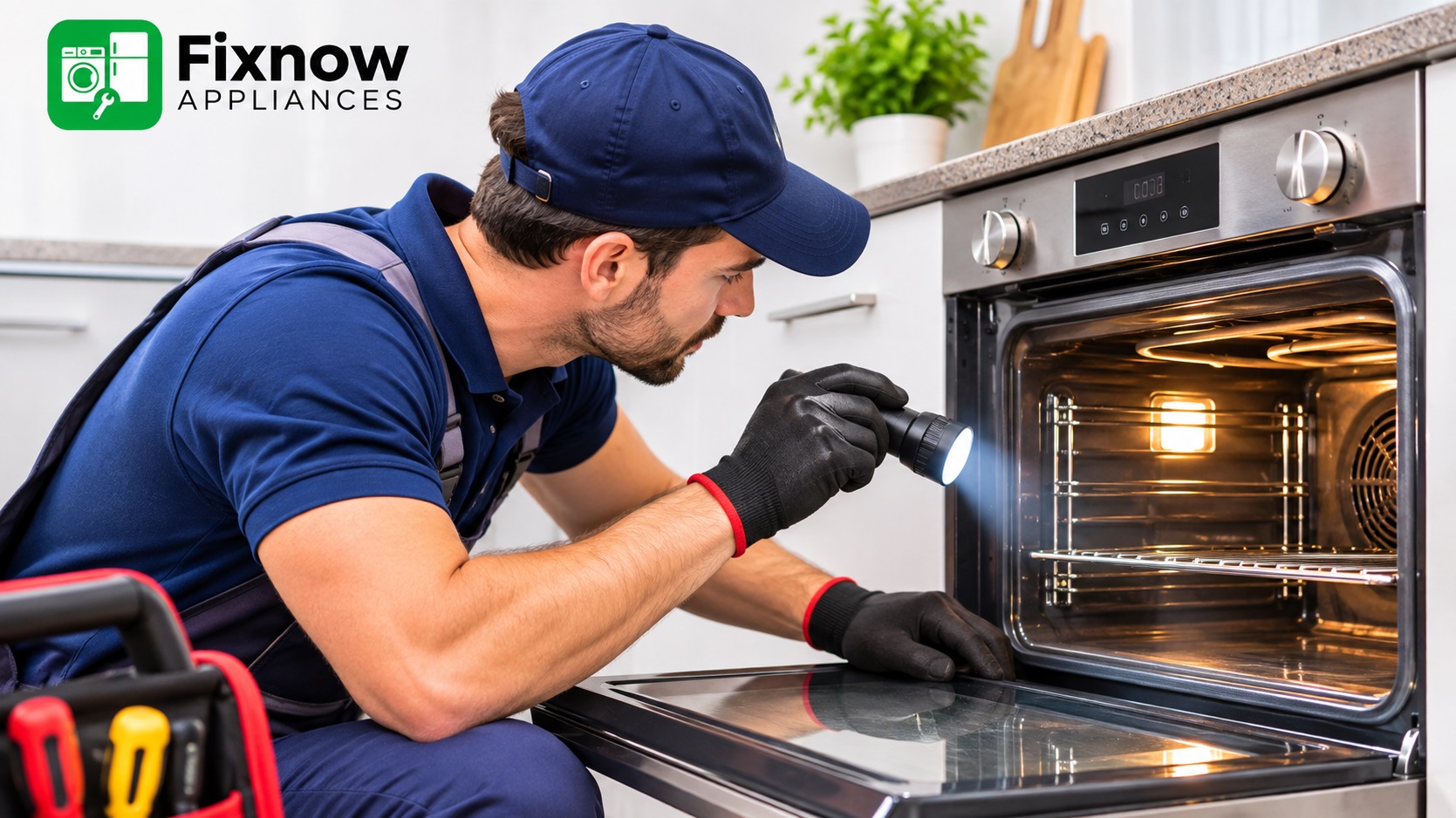
A technician can inspect the heating elements, sensor, thermostat, ignition system and electronic controls to identify the actual cause.
When an oven develops a temperature problem, many homeowners immediately consider replacing the appliance.
However, replacement is not always necessary. A faulty sensor, heating element or door gasket may be repairable without replacing the entire oven.
Before deciding, consider:
The actual fault: A single damaged component may be easier to address than multiple internal problems.
Appliance condition: Consider the overall condition of the oven, including its door, controls and heating system.
Parts availability: Replacement options depend on the brand, model and age of the appliance.
Repair history: Repeated breakdowns may indicate that a more detailed assessment is needed.
Long-term reliability: Consider whether the proposed repair is likely to restore dependable performance.
A professional diagnosis can help you make an informed decision rather than replacing an appliance based on one symptom.
Good maintenance does not prevent every fault, but it can help reduce avoidable problems.
Clean the oven regularly according to the manufacturer's instructions.
Keep vents clear of cookware and food residue.
Avoid placing foil directly over areas that block airflow.
Check the door gasket periodically.
Use suitable cookware and rack positions.
Avoid slamming the oven door.
Pay attention to changes in preheating time.
Arrange an inspection when temperature problems keep returning.
If cooking results suddenly change, it is worth investigating before the problem becomes more disruptive.
Oven Repair Support from FixNow Appliances
An oven that does not heat correctly can affect everything from everyday meals to special occasions. The important thing is to identify the cause instead of repeatedly adjusting settings and hoping the problem disappears.
FixNow Appliances helps homeowners with appliance repair requirements. If your oven is overheating, taking too long to preheat or producing inconsistent cooking results, visit the company website to discuss your issue and confirm service availability in your area.
Company: FixNow Appliances
Website: https://fixnowappliances.ca/
A damaged heating element, faulty temperature sensor, thermostat problem or control-system fault may prevent the oven from reaching the selected temperature.
A defective temperature sensor, thermostat or electronic control board may cause the oven to regulate heat incorrectly.
Uneven cooking may be related to a faulty heating element, convection fan issue, blocked airflow or damaged door seal.
Inconsistent temperatures, unexpected overheating and unreliable cooking results may indicate a sensor problem. A technician can test the component.
Yes. A damaged or weakened heating element can affect how quickly an electric oven heats and how well it maintains temperature.
A weak igniter, burner issue, temperature sensor fault or gas supply problem may affect heating performance.
Yes. A damaged gasket can allow heat to escape, making it harder for the oven to maintain the required temperature.
Some variation is normal as the oven cycles its heating system. Large or persistent fluctuations may indicate a fault.
It is best to stop using an oven that overheats significantly until the cause has been identified. Uncontrolled heating can create a safety risk.
If your oven repeatedly fails to reach the correct temperature, overheats, heats unevenly or displays recurring error codes, arrange a professional inspection.
Visit https://fixnowappliances.ca/ to discuss your oven problem and confirm the repair services currently available for your location.
Leave A Reply
Your email address will not be published. Required fields are marked *