-
-
-
Edmonton, Alberta, Canada
Mon – Sat: 8:00 AM – 7:00 PM
Please tap the button to book your appliance repair on WhatsApp.
Booking Enquiry on WhatsApp
FixNow Appliances provides fast, professional appliance repair across Edmonton, Sherwood Park, Beaumont, St. Albert, Stony Plain and nearby areas. Our licensed technicians repair fridges, washers, dryers, dishwashers, ovens, stoves and more using OEM parts and manufacturer-approved methods.
12
Nov
When a household appliance stops working, the first question many homeowners ask is simple: should I repair it or replace it?
A refrigerator that is no longer cooling, a washing machine that refuses to spin or an oven that does not heat properly can disrupt everyday routines. Replacing an appliance may seem like the quickest solution, but many common faults can be corrected without purchasing a new unit.
The key is understanding which appliances are generally repairable, what problems they commonly develop and when replacement may be the more practical decision.
For Calgary homeowners, making an informed repair decision can help reduce unnecessary waste, extend appliance life and keep household routines running smoothly.
This guide from FixNow Appliances explores the major home appliances that can often be repaired, common warning signs and the factors to consider before booking a service visit.
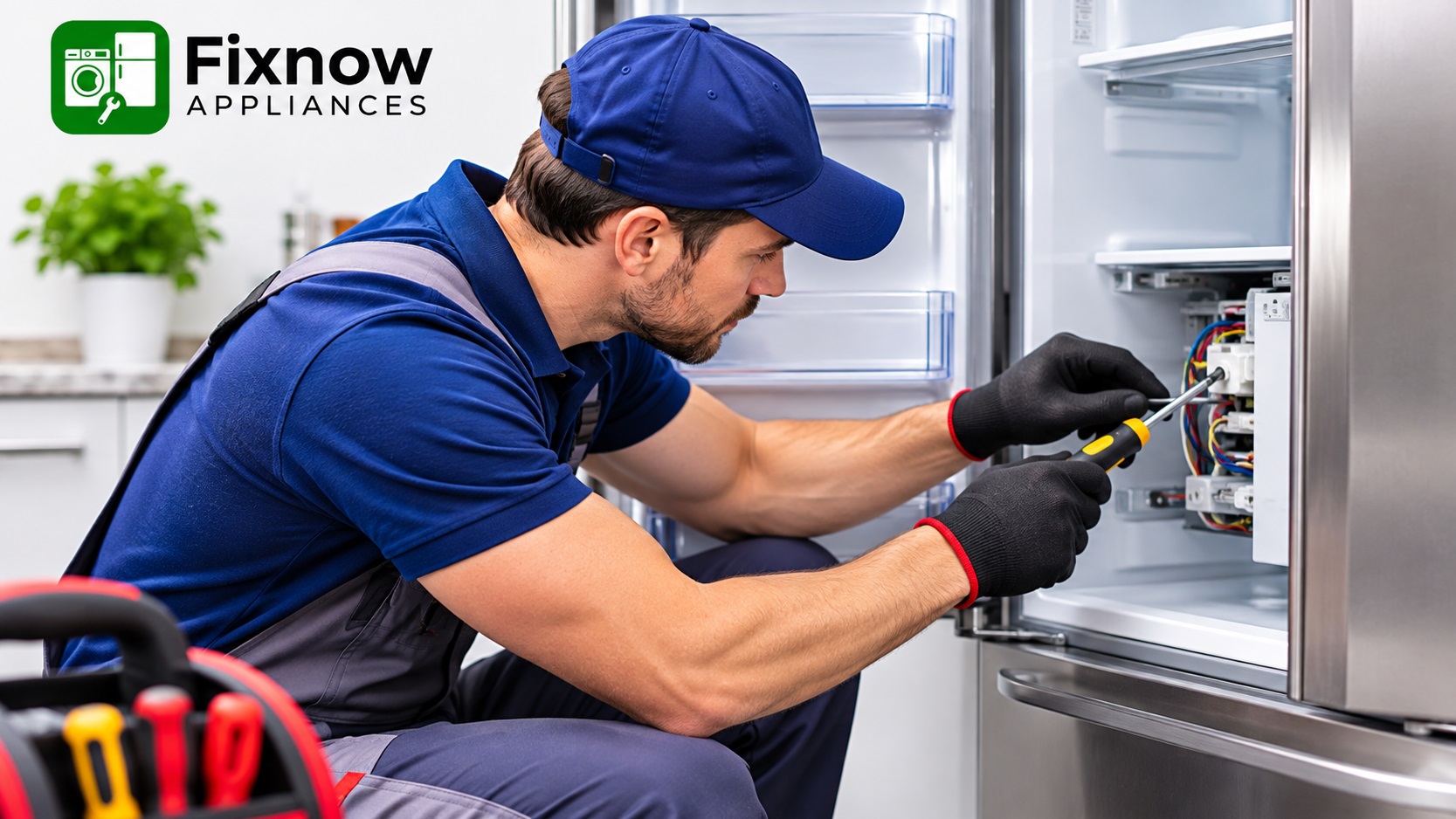
Refrigerators operate continuously, making them one of the most important appliances in a home. When cooling performance changes, food safety can quickly become a concern.
Fortunately, several refrigerator problems involve individual components that can be inspected and repaired.
Refrigerator not cooling properly.
Freezer working but refrigerator section staying warm.
Excessive frost inside the freezer.
Water leaking underneath the appliance.
Unusual humming, buzzing or clicking sounds.
Ice maker or water dispenser not working.
Temperature fluctuating unexpectedly.
Depending on the fault and appliance model, a technician may be able to repair or replace:
Evaporator or condenser fan motors.
Defrost system components.
Temperature sensors.
Door gaskets.
Water inlet valves.
Drain components.
Electronic control boards.
Start relays and other electrical components.
Sealed-system and compressor-related problems require specialised diagnosis. Their repair suitability depends on the appliance, refrigerant system, parts availability and overall condition.
If your refrigerator cannot maintain a safe temperature, arrange an inspection promptly. Avoid repeatedly resetting the appliance or ignoring unusual noises and temperature changes.
A professional diagnosis can help identify whether the problem is a repairable component or a more extensive system failure.
A freezer that develops excessive frost, struggles to maintain temperature or stops freezing food properly may have a problem with its cooling or defrost system.
Excessive ice buildup.
Freezer not freezing properly.
Temperature fluctuations.
Water collecting inside or underneath.
Door not sealing correctly.
Unusual operating noises.
Food thawing unexpectedly.
Depending on the model and diagnosis, repairs may involve:
Door seals and gaskets.
Defrost heaters.
Temperature sensors.
Evaporator fans.
Defrost timers or control boards.
Drainage components.
Start relays.
A damaged door gasket or faulty defrost component may be repairable without replacing the entire freezer.
If frozen food begins thawing, move it to a safely operating freezer where possible and follow food-safety guidance.
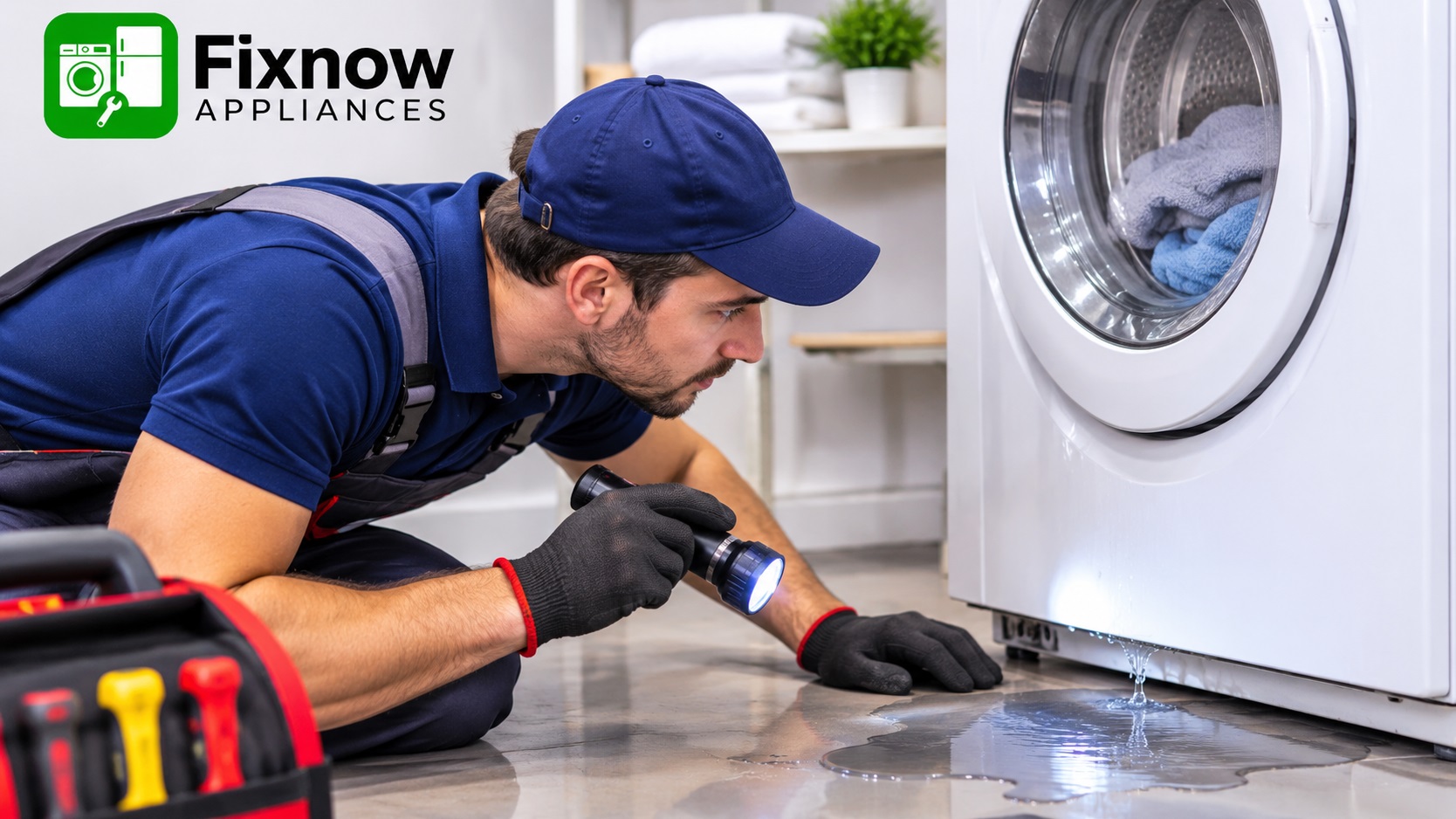
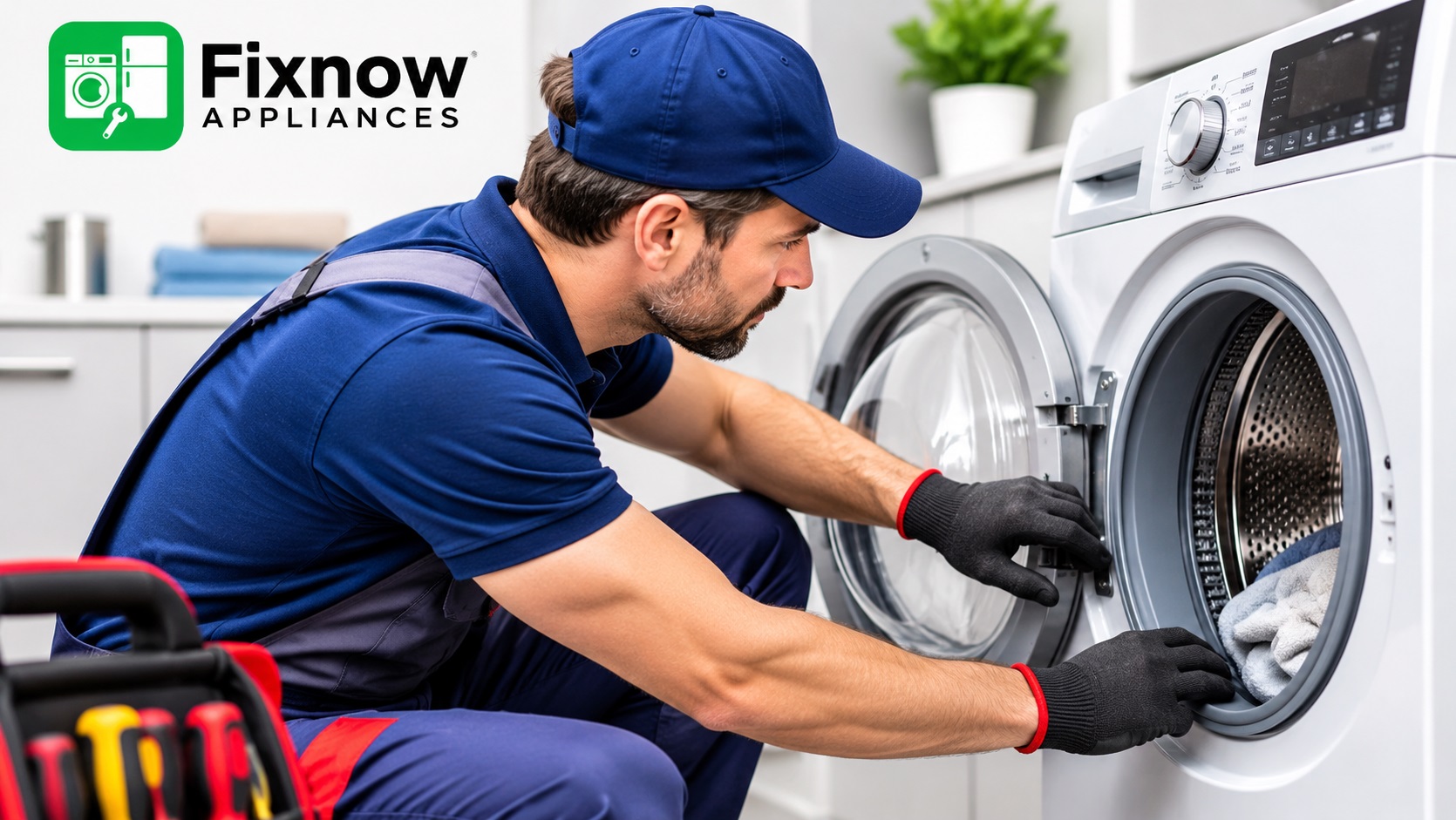
Washing machines handle frequent water movement, spinning and mechanical operation. Over time, these processes can cause wear in different components.
Many washing machine problems are repairable when identified early.
Washer not spinning.
Water not draining.
Machine leaking water.
Drum not turning.
Excessive vibration.
Washer not filling with water.
Door refusing to unlock.
Error codes appearing during a cycle.
A technician may inspect and repair or replace:
Drain pumps.
Water inlet valves.
Door locks.
Door gaskets.
Drain hoses.
Suspension components.
Belts and motor-related parts.
Water-level sensors.
Electronic control components.
The exact repair depends on whether the problem is mechanical, electrical or related to the water supply and drainage system.
If the washer has a single identifiable fault and the drum, tub and main structure remain in good condition, repair may be a practical option.
However, extensive tub damage, repeated major failures or severe corrosion may make replacement worth considering.
A dryer that takes several cycles to dry clothes can waste time and may indicate a developing fault.
Some dryer problems are related to airflow, while others involve heating or electrical components.
Dryer not heating.
Clothes remaining damp.
Drum not spinning.
Dryer stopping unexpectedly.
Unusual squeaking or grinding noises.
Excessive vibration.
Overheating or burning smells.
Depending on the dryer type, a technician may inspect:
Heating elements.
Thermal fuses.
Thermostats.
Temperature sensors.
Drive belts.
Drum rollers.
Idler pulleys.
Motor assemblies.
Electronic control boards.
Blocked lint filters and restricted exhaust ducts can also affect drying performance.
Clean the lint filter regularly and follow the manufacturer's ventilation instructions.
If you notice a burning smell, smoke or unusual overheating, stop using the dryer. Do not continue operating it until the cause has been assessed.
A dishwasher can develop several problems that affect cleaning performance, water circulation and drainage.
The good news is that many common dishwasher faults involve individual components.
Dishwasher not draining.
Water leaking from the door.
Dishes coming out dirty.
Water not entering the machine.
Dishwasher not starting.
Unusual noises during operation.
Water remaining at the bottom.
Detergent dispenser not opening properly.
Possible repair areas include:
Drain pumps.
Circulation pumps.
Water inlet valves.
Door seals.
Spray arms.
Filters.
Float switches.
Heating elements.
Detergent dispensers.
Electronic control boards.
A blocked filter or spray arm may only require appropriate cleaning, while a damaged pump or valve may need replacement.
If water is leaking onto the floor, stop the cycle if safe and address the water supply before further use.
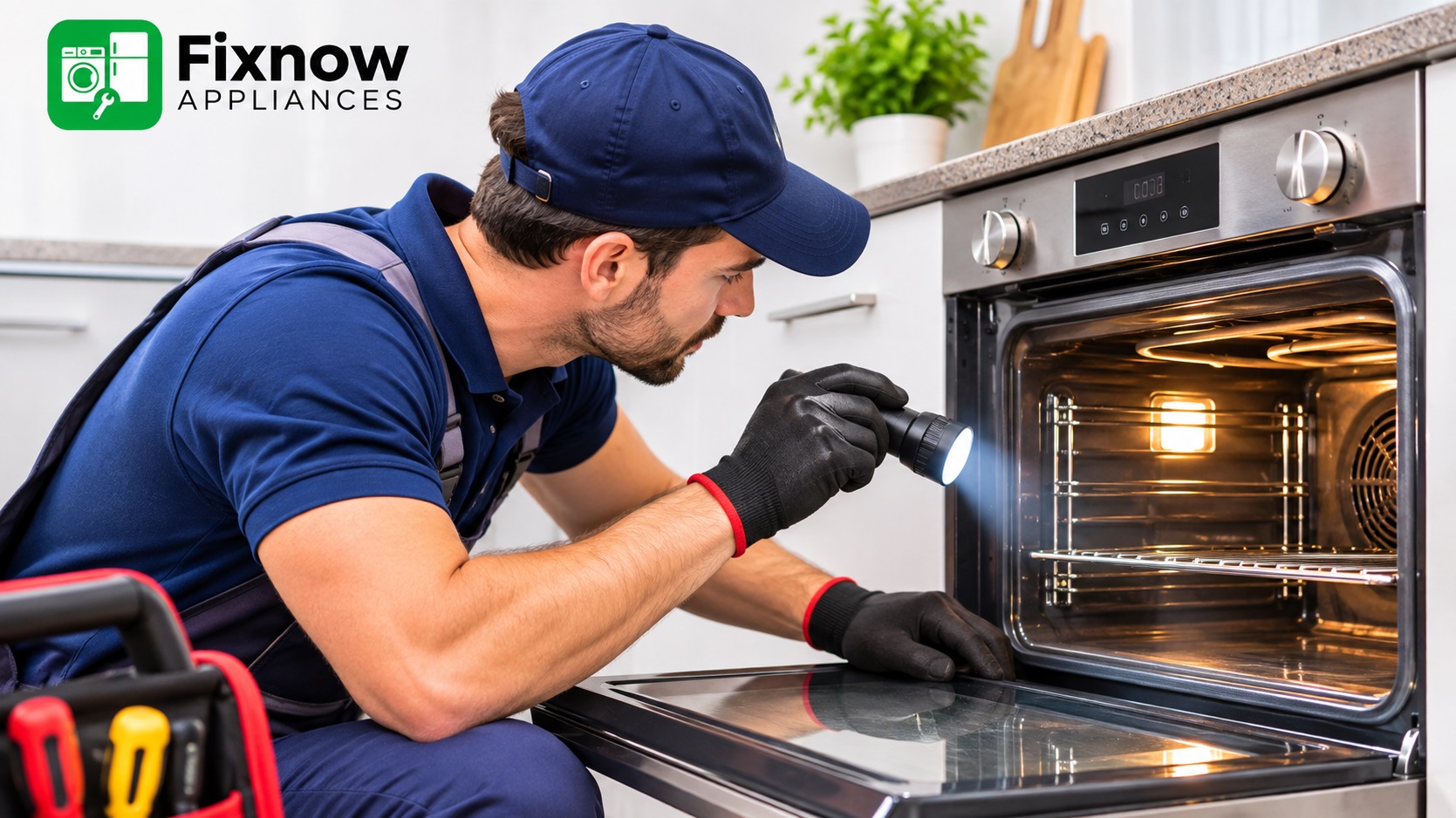
Ovens are essential for baking, roasting and everyday meal preparation. When they fail to maintain temperature, cooking results can become inconsistent.
Many oven problems can be traced to replaceable heating or control components.
Oven not heating.
Uneven heating.
Food burning on one side.
Oven taking too long to preheat.
Temperature fluctuating.
Display or control panel not responding.
Convection fan not working.
Depending on the appliance design, a technician may inspect:
Bake and broil elements.
Temperature sensors.
Convection fan motors.
Door gaskets.
Thermostats.
Ignition components in gas ovens.
Electronic control boards.
Wiring and electrical connections.
A faulty heating element or sensor may be repairable without replacing the entire oven.
Gas oven repairs should be handled by appropriately qualified professionals.
A stove or cooktop may develop problems that affect heating, ignition or temperature control.
The repair approach depends on whether the appliance uses gas, electricity or induction technology.
Burner not heating.
Gas burner failing to ignite.
Electric element not working.
Uneven heating.
Control knobs not responding.
Induction cooktop displaying error codes.
Clicking sounds continuing after ignition.
Burner elements.
Ignition switches.
Igniters.
Heating coils.
Temperature controls.
Burner caps and related components.
Electronic control boards.
Wiring and connections.
If you smell gas, do not attempt to ignite the stove or operate electrical switches. Leave the area and contact your gas utility or emergency service from a safe location.
Microwaves are convenient kitchen appliances, but problems with heating, controls or door operation can make them unreliable.
Microwave not heating food.
Turntable not rotating.
Buttons not responding.
Door not closing correctly.
Unusual noises.
Display not working.
Appliance switching off unexpectedly.
Depending on the model and fault, professional diagnosis may identify problems with:
Door switches.
Turntable motors.
Control panels.
Electronic control boards.
Internal wiring.
Cooling fans.
Microwaves contain high-voltage components that can retain dangerous electrical energy even after being unplugged. Never open or attempt to repair the internal high-voltage system yourself.
There is no single answer for every appliance. A repair decision should consider the fault, age, overall condition and availability of compatible parts.
The following overview can help homeowners understand common repair possibilities.
| Appliance | Common repair areas | Important consideration |
|---|---|---|
| Refrigerator | Fans, sensors, seals, defrost system | Cooling-system condition |
| Freezer | Defrost components, seals, sensors | Ability to maintain temperature |
| Washing machine | Pumps, valves, belts, door locks | Drum and tub condition |
| Dryer | Heating elements, belts, sensors | Ventilation and safety |
| Dishwasher | Pumps, valves, filters, seals | Water leakage and cleaning performance |
| Oven | Heating elements, sensors, fans | Temperature control and electrical condition |
| Stove | Burners, igniters, switches | Gas or electrical safety |
| Microwave | Door switches, motors, controls | High-voltage safety |
A professional inspection can determine whether the problem is limited to one component or involves multiple major systems.
Repairing an appliance may be a sensible decision when the fault is limited, the appliance is otherwise in good condition and compatible replacement parts are available.
However, replacement may be more practical when the appliance has extensive damage or repeated major failures.
Consider these factors before making a decision.
Older appliances may have more worn components. However, age alone does not automatically mean replacement is necessary.
A damaged hose, door seal or sensor may be a relatively straightforward repair compared with extensive compressor, motor or control-system damage.
Consider whether the appliance has experienced repeated breakdowns, corrosion, structural damage or other performance problems.
Some older or discontinued models may have limited access to compatible replacement components.
If an older appliance uses considerably more energy than a modern alternative, replacement may be worth evaluating alongside repair.
Ask for a clear explanation of the fault, recommended repair and any applicable warranty terms before approving the work.
The best decision is based on the appliance's condition and expected reliability after repair, not simply on the fact that it has stopped working.
Some appliance problems begin with small changes in performance.
Recognising these warning signs early may help prevent further damage.
Watch for:
Unusual humming, grinding or clicking noises.
Water leaking around or underneath an appliance.
Burning smells or smoke.
Repeated error codes.
Excessive vibration.
Temperature fluctuations.
Longer operating cycles.
Frequent unexpected shutdowns.
Electrical switches or controls behaving abnormally.
If an appliance produces smoke, sparks, a strong burning smell or signs of electrical damage, stop using it and seek appropriate professional assistance.
Do not attempt repairs involving live electrical components, gas connections or internal high-voltage systems.
Preparing a few details before booking can help a technician understand the issue and plan the inspection.
Note whether the problem involves a refrigerator, freezer, washer, dryer, dishwasher, oven or stove.
The model number is often located on a label inside the door, around the appliance frame or on the rear panel.
Explain what happens when you operate the appliance.
For example:
Refrigerator runs but does not cool.
Washer fills but does not spin.
Dryer runs but produces no heat.
Dishwasher completes a cycle but leaves water inside.
Oven turns on but does not reach the selected temperature.
Mention whether the issue appeared suddenly or developed gradually.
If the control panel displays an error code, take a photograph or write it down.
Make sure the technician can safely access the appliance and its visible connections.
Confirm service availability, diagnostic arrangements, repair estimates and warranty terms before approving the work.
Regular maintenance can help reduce avoidable problems and identify developing faults.
A few simple habits can make a difference.
Refrigerators: Keep vents clear, inspect door seals and clean accessible condenser areas according to the manufacturer's instructions.
Washing machines: Avoid overloading, use suitable detergent and clean the dispenser and accessible drain filter as recommended.
Dryers: Clean the lint filter after every cycle and maintain the exhaust system according to the manufacturer's guidance.
Dishwashers: Clean filters and spray arms, and use suitable dishwasher detergent.
Ovens: Remove food spills and grease using approved cleaning methods.
Stoves: Keep burners and cooktop surfaces clean, following the manufacturer's safety instructions.
Maintenance cannot prevent every mechanical failure, but it can help appliances operate reliably and make warning signs easier to identify.
When a home appliance stops working, replacing it immediately is not always necessary. Many common problems involving refrigerators, freezers, washing machines, dryers, dishwashers, ovens and stoves may be repairable.
The important step is identifying the actual cause before deciding what to do next.
FixNow Appliances provides appliance repair services for major household appliances. Whether your refrigerator is not cooling, your washer is leaking, your dryer is not heating or your oven is experiencing temperature problems, sharing the symptoms and appliance model can help the repair team understand your requirements.
Calgary homeowners can visit the company website to discuss their appliance problem and confirm current service availability for their location.
Company: FixNow Appliances
Website: https://fixnowappliances.ca/
Many major household appliances can often be repaired, including refrigerators, freezers, washing machines, dryers, dishwashers, ovens, stoves, cooktops and microwaves. Repair suitability depends on the fault, appliance condition and parts availability.
A refrigerator with a repairable fan, sensor, door seal or defrost-system problem may be worth repairing. More extensive cooling-system damage requires careful evaluation before deciding.
Yes. Possible causes include a faulty door lock, drive belt, motor-related component, control system or an unbalanced load. The exact cause needs to be identified.
Many dryer heating problems can be repaired. Possible causes include a faulty heating element, thermal fuse, thermostat, temperature sensor or restricted ventilation.
Yes. Drainage issues may involve a clogged filter, blocked hose, faulty drain pump or drainage connection. Some problems can be resolved through cleaning, while others require component repair.
Yes. Uneven heating may be caused by a faulty heating element, temperature sensor, convection fan, door gasket or control component.
Basic external cleaning may be safe when performed according to the manual, but internal microwave repairs should be left to qualified professionals because high-voltage components can retain dangerous electrical energy.
Consider its age, overall condition, type of fault, availability of replacement parts and expected reliability after repair. A professional diagnosis can help you make an informed decision.
Regular cleaning, correct usage, ventilation maintenance and following manufacturer recommendations can reduce some avoidable problems. However, normal wear and component failures can still occur.
Visit https://fixnowappliances.ca/ to discuss your appliance repair requirements and confirm current Calgary service availability.
Share the appliance brand, model number, symptoms, error codes and when the problem occurs. This information can help the repair team understand the issue before the service visit.
No. Stop using an appliance that is leaking heavily, smoking, sparking or producing a strong burning smell. Keep away from wet electrical connections and arrange appropriate professional assistance.
Leave A Reply
Your email address will not be published. Required fields are marked *